
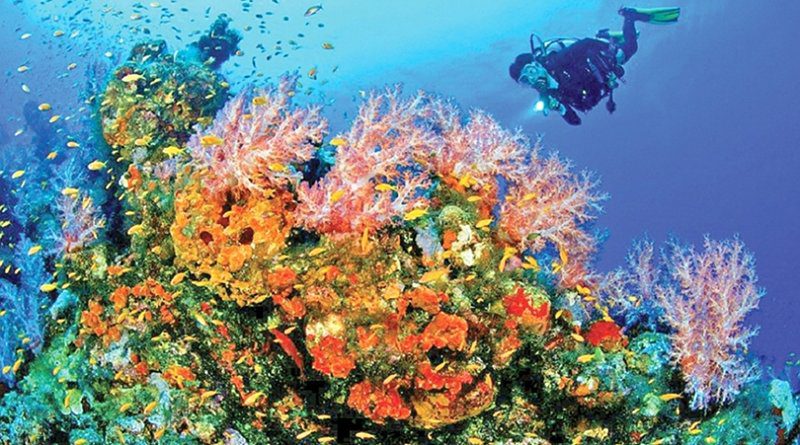
Why Are Coral Reefs Important?

Coral reefs are among the most valuable ecosystems on Earth. Often called the rainforests of the sea, they provide shelter, food, and breeding grounds for a wide variety of marine species. Their colourful underwater landscapes attract divers, snorkellers, researchers, and nature lovers from around the world.
In Sri Lanka, coral reefs contribute to marine biodiversity, coastal protection, tourism, and the livelihoods of coastal communities. However, climate change, ocean pollution, destructive fishing practices, and careless tourism are placing these fragile ecosystems under increasing pressure.
Protecting coral reefs is not only about saving beautiful underwater scenery. It is about protecting marine life, supporting communities, and maintaining the health of our oceans for future generations.
1. Coral Reefs Support Marine Biodiversity
Coral reefs provide habitats for fish, crabs, sea turtles, molluscs, and many other marine organisms. Their complex structures offer places to hide from predators, find food, and reproduce.
Although coral reefs cover only a small portion of the ocean floor, they support an exceptionally rich variety of marine life. When reefs are damaged, many species lose essential habitats, which can affect the wider marine food web.
Protecting coral reefs helps preserve biodiversity and maintains the balance of ocean ecosystems.
2. Coral Reefs Protect Coastlines
Coral reefs act as natural barriers that absorb and reduce some of the energy of incoming waves. This can help reduce coastal erosion and protect beaches and coastal settlements from wave impacts.
Healthy reefs are particularly valuable for island nations such as Sri Lanka, where many communities depend on coastal environments for housing, fishing, tourism, and transport.
When reefs become degraded, coastlines can become more vulnerable to erosion and wave damage. Reef conservation is therefore an important part of protecting coastal environments.
3. Coral Reefs Support Fishing and Food Security
Many fish species depend on coral reefs during important stages of their lives. Healthy reefs can support fisheries that provide food and income for coastal communities.
When coral habitats decline, fish populations and the livelihoods that depend on them may also be affected.
Responsible fishing, protection of important reef habitats, and the prevention of destructive fishing practices can help maintain marine resources for future generations.
4. Coral Reefs Support Tourism and Local Economies
Coral reefs attract visitors who want to experience snorkelling, scuba diving, glass-bottom boat trips, and marine wildlife observation. These activities can support local guides, boat operators, accommodation providers, restaurants, and other small businesses.
In Sri Lanka, places such as Hikkaduwa and Pigeon Island near Nilaveli are known for reef-related marine experiences.
However, tourism must be managed responsibly. Touching coral, standing on reefs, dropping anchors in sensitive areas, and disturbing marine animals can cause damage. Sustainable tourism helps protect these natural attractions while supporting local livelihoods.
5. Coral Reefs Help Maintain Healthy Ocean Ecosystems
Coral reefs are part of a connected marine environment. They interact with seagrass beds, mangroves, fish populations, and other coastal habitats.
Healthy marine ecosystems support nutrient cycling, provide habitats for wildlife, and contribute to the resilience of coastal environments.
Protecting coral reefs alongside mangroves, seagrass beds, and other marine habitats creates a more effective approach to ocean conservation.
6. What Threatens Coral Reefs?
Several major threats affect coral reefs around the world.
Climate Change and Coral Bleaching
When ocean temperatures become unusually high, corals can become stressed and expel the microscopic algae that provide much of their food and colour. This process is called coral bleaching.
Bleached corals are not necessarily dead, but prolonged or repeated heat stress can cause serious damage and increase the risk of mortality.
Reducing greenhouse gas emissions is essential to limiting the long-term risks that climate change poses to coral reefs.
Ocean Pollution
Plastic waste, discarded fishing gear, sewage, and chemical pollution can harm marine organisms and degrade reef habitats. Plastic items can entangle wildlife or break into smaller particles that enter marine food webs.
Reducing single-use plastics, improving waste management, and preventing polluted runoff from reaching the sea can help reduce these threats.
Destructive Fishing Practices
Certain fishing methods can physically damage coral structures and remove important marine species. Overfishing can also disrupt the ecological relationships that keep reef ecosystems healthy.
Responsible fishing and effective marine protection measures are important for reef recovery.
Irresponsible Tourism
Visitors can unintentionally damage coral reefs by stepping on coral, touching marine life, using unsuitable anchors, or leaving rubbish behind.
Tour operators and visitors should follow local regulations, use designated access points, and choose responsible marine tourism providers.
7. How Can We Protect Coral Reefs?
Everyone can contribute to coral reef conservation through practical everyday actions.
- Reduce plastic waste: Carry reusable bags and water bottles, and dispose of rubbish properly.
- Never touch or stand on coral: Coral structures are fragile and can be damaged by direct contact.
- Choose responsible tours: Follow guides’ instructions and select operators who respect marine conservation rules.
- Avoid feeding marine wildlife: Feeding animals can disrupt natural behaviour and ecosystems.
- Support sustainable seafood: Choose seafood from responsible sources and follow local fishing regulations.
- Protect coastal habitats: Support initiatives that conserve reefs, mangroves, and seagrass beds.
- Reduce your carbon footprint: Saving energy, choosing lower-emission transport when practical, and supporting climate action can help address the warming that drives coral bleaching.
- Join beach and reef clean-ups: Participate in reputable local conservation activities and follow safety guidance.
Small actions become more powerful when individuals, communities, businesses, and governments work together.
8. Protecting Coral Reefs in Sri Lanka
Sri Lanka is surrounded by the Indian Ocean and has diverse marine habitats that support fishing, tourism, and coastal livelihoods. Coral reefs around parts of the island provide important habitats for marine organisms and contribute to the country’s natural beauty.
Hikkaduwa is a well-known destination for reef-related tourism, while Pigeon Island Marine National Park near Nilaveli is recognised for its coral reef and marine life. These places also demonstrate why visitor awareness and responsible management matter.
Reef protection requires more than tourism awareness. Monitoring coral health, reducing land-based pollution, enforcing conservation rules, supporting scientific research, and involving coastal communities are all important measures.
By protecting coral reefs, Sri Lanka can help conserve its marine biodiversity and maintain valuable natural resources for future generations.
9. The Future of Coral Reefs Depends on Us
Coral reefs face serious challenges, but conservation and restoration efforts can help reduce local pressures and improve the chances of recovery. Protecting reefs requires long-term commitment, scientific knowledge, effective environmental policies, and responsible behaviour.
No single action can solve every threat. However, reducing pollution, managing fishing sustainably, improving tourism practices, and addressing climate change can make a meaningful difference.
Every healthy reef represents a living ecosystem that supports marine life, coastal communities, and future generations.
Frequently Asked Questions
Why should we protect coral reefs?
We should protect coral reefs because they provide habitats for marine life, help reduce wave energy along coastlines, support fisheries, and contribute to tourism and local economies.
What is the biggest threat to coral reefs?
Climate change, particularly ocean warming and the resulting coral bleaching, is a major global threat. Pollution, destructive fishing, and physical damage also place reefs at risk.
How can tourists protect coral reefs?
Tourists can avoid touching or standing on coral, never leave rubbish behind, follow local rules, avoid disturbing wildlife, and choose responsible snorkelling and diving operators.
Are there coral reefs in Sri Lanka?
Yes. Sri Lanka has coral reef ecosystems in several coastal areas. Hikkaduwa and Pigeon Island near Nilaveli are well-known destinations for experiencing reef environments.
Can damaged coral reefs recover?
Some damaged reefs can recover if stress is reduced and environmental conditions are suitable. However, severe or repeated damage, especially from prolonged marine heatwaves, can limit recovery.
How does coral reef conservation benefit local communities?
Healthy reefs can support fisheries, tourism businesses, coastal livelihoods, and natural coastal protection, benefiting communities that depend on the ocean.
Protect Coral Reefs Today for a Healthier Ocean Tomorrow
Coral reefs are far more than colourful underwater attractions. They are essential ecosystems that support marine biodiversity, coastal protection, food resources, and tourism. Protecting them requires collective action from governments, businesses, communities, travellers, and individuals.
Love the ocean? Help protect it. Reduce waste, respect marine life, and make responsible choices whenever you visit the coast. Every positive action helps build awareness and supports a healthier future for our oceans.
Explore Sri Lanka Responsibly with YMe Tours
Discover Sri Lanka’s beautiful beaches, coastal destinations, and marine experiences with YMe Tours. We support travel planning that encourages visitors to appreciate the island’s natural beauty while respecting the environment.
Our services include airport pick-up, island-wide tours, accommodation arrangements, safari and adventure experiences, and travel planning support with 24-hour assistance.
Tell us what you need, and we’ll help make your Sri Lankan adventure happen.
+94 72 013 4575 |[email protected] | tours.yme.lk