
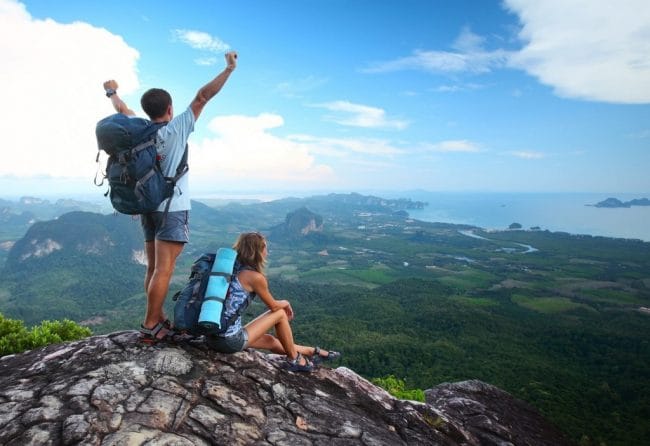

From the famous trails of Ella and the dramatic landscapes of Horton Plains to the rich biodiversity of the Knuckles Mountain Range, every hike offers a different experience. However, changing weather, steep terrain and remote locations mean that proper preparation is essential.
Before you put on your hiking shoes, here are some important tips to help you enjoy a safe, comfortable and unforgettable hiking adventure in Sri Lanka.
1. Choose the Right Hiking Trail

-
Ella and Little Adam’s Peak: A popular option for travellers looking for mountain scenery and beautiful viewpoints.
-
Ella Rock: A more demanding hike that requires careful navigation and preparation.
-
Horton Plains and World’s End: Known for open grasslands, forest paths and dramatic cliff-top views.
-
Knuckles Mountain Range: Ideal for nature lovers seeking more challenging treks through diverse landscapes.
Always check the route distance, estimated hiking time, elevation gain, access requirements and whether a guide is recommended or required.
2. Check the Weather Before You Go
Sri Lanka has a tropical climate, and weather conditions can change quickly in mountainous areas. Rain, mist and strong winds can affect visibility and make trails slippery.
Before starting your hike, check the local forecast and ask accommodation staff or a knowledgeable local guide about trail conditions. If heavy rain, thunderstorms or dangerous conditions are expected, consider postponing your hike.
Tip: Starting early in the morning often gives you cooler temperatures and a better chance of enjoying clear mountain views.
3. Wear Proper Hiking Shoes

Choose comfortable shoes with good grip and ankle support appropriate to the terrain. Avoid smooth-soled footwear, sandals or brand-new shoes that may cause blisters. Lightweight, breathable clothing is also useful in humid conditions.
4. Carry Enough Water and Snacks
Hiking in warm, humid weather can cause you to lose fluids quickly, even when you do not feel particularly thirsty.
Carry enough drinking water for the route, taking into account its length, temperature and availability of refill points. Bring easy-to-carry snacks such as bananas, nuts or energy bars to help maintain your energy.
Do not assume that drinking water or food will be available along remote trails. Carry all rubbish back with you and avoid leaving food waste in the forest.
5. Protect Yourself from the Sun and Insects

Remember to bring:
-
Sunscreen and a hat.
-
Lightweight, breathable clothing.
-
Insect repellent, especially for forested areas.
-
A small first-aid kit and any personal essentials.
-
A fully charged mobile phone and, where practical, an offline map.
Long sleeves and trousers can also help protect you from insects, scratches and rough vegetation.
6. Stay on Marked Trails and Follow Local Advice
It can be tempting to leave the main path to take photographs or discover a hidden viewpoint. However, unmarked routes may lead to steep drops, unstable ground, private land or environmentally sensitive habitats.
Follow official trail markers, park rules and local instructions. In protected areas, respect restrictions on where you can walk and whether a guide is needed.
For unfamiliar, remote or challenging routes, consider hiring a qualified local guide who understands the terrain and local conditions.
7. Respect Wildlife and the Environment

-
Keep a safe distance from wild animals.
-
Never feed or attempt to touch wildlife.
-
Avoid loud noises that disturb animals and other hikers.
-
Do not pick plants or remove natural objects.
-
Take all rubbish with you.
-
Avoid damaging vegetation or disturbing streams and other habitats.
Practising Leave No Trace principles helps preserve these landscapes for future visitors.
8. Prepare for Leeches and Sudden Rain
In wet forests and during rainy periods, leeches may be present along some trails. Lightweight long trousers, suitable socks and leech protection recommended by local guides can help. Check your shoes and clothing during breaks.
A lightweight rain jacket or waterproof layer is also useful, particularly in the central highlands. Keep your phone, documents and spare clothing in waterproof bags.
If the path becomes dangerously slippery or weather conditions deteriorate, turn back rather than taking unnecessary risks.
9. Start Early and Pace Yourself
A good hiking experience is not a race. Starting early can help you avoid the hottest part of the day and allow more time for breaks, photography and unexpected delays.
Walk at a comfortable pace, take regular rests and listen to your body. Tell someone your planned route and expected return time, particularly if you are hiking in a remote area. Do not rely entirely on mobile coverage, as signals may be limited in the mountains.
For longer hikes, check whether permits, advance bookings or specific entry times apply before travelling.
10. Choose the Best Hiking Experience for Your Trip

Your best option depends on your fitness level, travel dates, weather, available time and preferred level of adventure. Combining hiking with tea-country train journeys, waterfalls or cultural attractions can also make your Sri Lankan holiday more rewarding.
Final Tip: Enjoy the Journey, Not Just the Destination
Sri Lanka’s hiking trails offer more than beautiful photographs. They provide opportunities to experience local communities, discover unique ecosystems and appreciate the island’s incredible natural diversity.
Choose your trail carefully, prepare for changing conditions, respect the environment and give yourself time to enjoy every step. Sometimes, the most memorable part of a hike is not reaching the summit — it is the mist rolling across the mountains, the sound of a nearby waterfall or the unexpected view you discover along the way.
Planning a hiking adventure in Sri Lanka?
YMe Tours can help you plan a personalised Sri Lankan journey, with island-wide tour arrangements, private transport, accommodation options, adventure experiences and 24-hour support.
Tell us what you need, and we’ll help you plan your Sri Lankan adventure.
+94 72 013 4575 | [email protected] | tours.yme.lk