
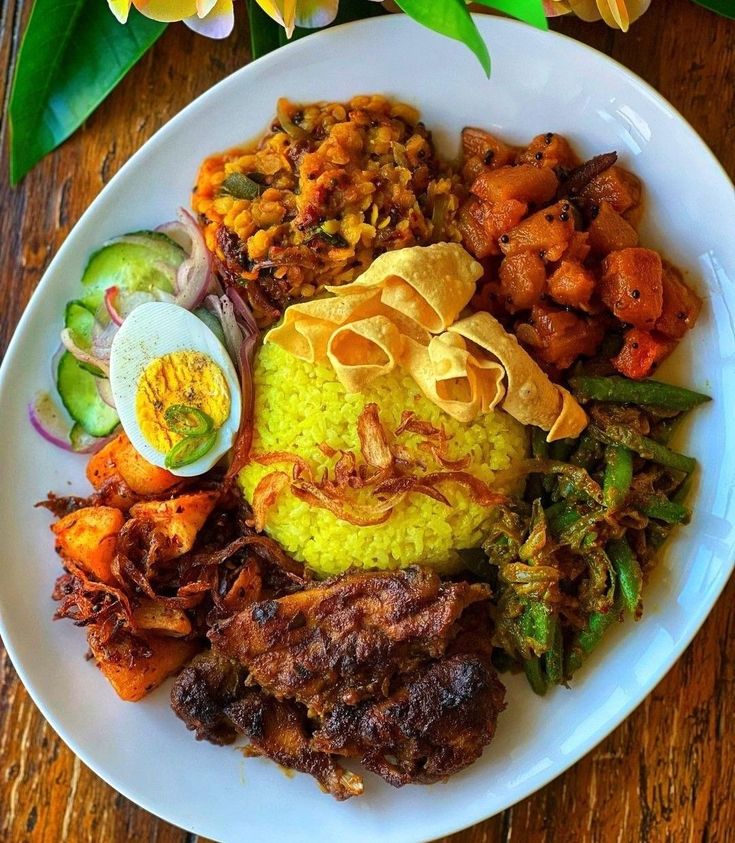
Discover the Amazing Flavours of Sri Lankan Food
Sri Lanka is famous for its golden beaches, lush tea plantations, ancient temples and incredible wildlife. But one of the most memorable ways to experience the island is through its food.
Sri Lankan cuisine combines fragrant spices, fresh coconut, tropical fruits, rice, seafood and traditional cooking methods to create a unique food culture. From delicious home-cooked meals to lively street-food stalls, every region offers something special for curious travellers.
If you are planning a trip to Sri Lanka, here are some traditional foods you should add to your culinary adventure.
1. Rice and Curry: A Sri Lankan Favourite
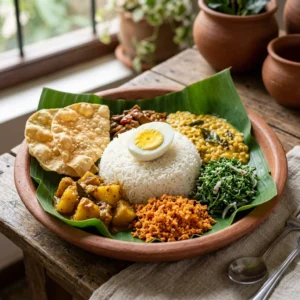
Rice and curry is one of the most recognisable meals in Sri Lanka. A typical plate includes rice served with several curries, vegetables, dhal, sambol and sometimes fish, chicken or other meat.
Each curry has its own flavour, created with ingredients such as coconut milk, curry leaves, turmeric, cinnamon, chilli and other spices.
Travel tip: Try a traditional rice-and-curry meal at a local restaurant or family-run eatery to discover the variety of flavours in Sri Lankan cooking.
2. Pol Sambol: A Coconut Lover’s Delight
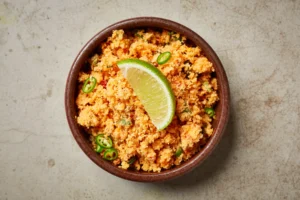
Pol sambol is a traditional accompaniment made primarily from freshly grated coconut, chilli, lime juice, salt and other seasonings. Some recipes also include onion or Maldive fish.
Its fresh, spicy and tangy taste makes it a popular partner for rice, bread, hoppers and string hoppers.
If you enjoy coconut-based dishes, pol sambol is a simple but unforgettable flavour to try during your visit.
3. Hoppers: A Must-Try Sri Lankan Breakfast
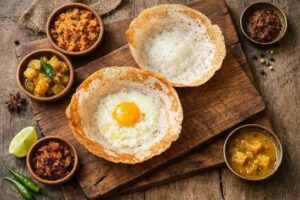
Hoppers, locally known as appa, are bowl-shaped pancakes made from fermented rice-flour batter and coconut milk.Popular varieties include:
- Plain hoppers: Light, crispy edges with a softer centre.
- Egg hoppers: An egg cooked inside the centre of the hopper.
- Sweet hoppers: Variations that offer a sweeter flavour.
They are often served with pol sambol, lunu miris or curry. For an authentic experience, enjoy freshly prepared hoppers at breakfast or dinner.
4. String Hoppers and Pittu
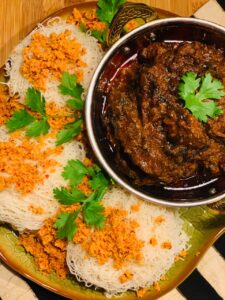
String hoppers are delicate nests of steamed rice-flour noodles, commonly eaten with coconut sambol, dhal or curry.
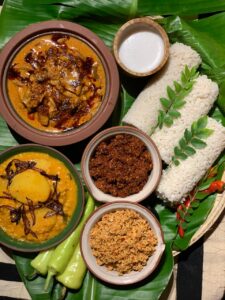
Pittu is another traditional dish made with rice flour and grated coconut, steamed into a crumbly cylindrical shape. It is often served with coconut milk, curry or sambol.
Both dishes are popular breakfast choices and offer visitors a delicious introduction to everyday Sri Lankan food.
5. Kottu Roti: The Sound of Sri Lankan Street Food
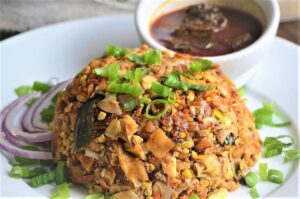
You may hear Sri Lankan kottu before you see it.
Kottu roti is prepared by chopping flatbread into small pieces and mixing it on a hot griddle with vegetables, eggs, spices and optional chicken, beef or seafood.
The rhythmic sound of metal blades hitting the cooking surface has become an iconic part of Sri Lankan street-food culture.Whether you choose vegetable kottu or a meat-filled version, watching it being prepared is part of the experience.
Travel tip: Ask for a mild version if you prefer less chilli.
6. Explore Sri Lanka’s Culture of Spices
Sri Lankan cuisine is known for its distinctive use of cinnamon, cardamom, cloves, pepper, curry leaves and chilli.
The island’s history in the Indian Ocean spice trade helped shape its culinary traditions. Today, spices remain essential to many curries, sambols, marinades and traditional dishes.
Travellers interested in food can visit local markets, explore spice gardens where available, or join a cooking experience to learn how different ingredients are combined.
You do not have to enjoy very spicy food to appreciate Sri Lankan cuisine. Simply tell the cook or restaurant that you prefer mild food.
7. Seafood for Beach Lovers

With its long coastline, Sri Lanka offers plenty of opportunities to enjoy fresh seafood.
Depending on the destination and season, menus may include grilled fish, prawns, crab, squid and seafood curries prepared with local spices and coconut milk.
Coastal towns such as Negombo, Mirissa and other southern beach destinations are popular places to explore seafood restaurants.
Choose reputable establishments, and remember that availability and prices can vary according to the season and daily catch.
8. Don’t Leave Without Trying Watalappam
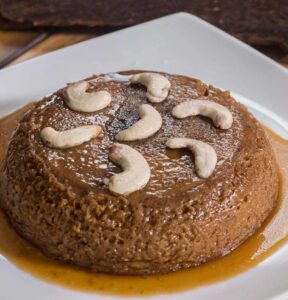
Sri Lankan cuisine is not only about spicy curries. The island also has delicious traditional desserts.
Watalappam is a rich, steamed coconut-based custard traditionally made with kithul jaggery, eggs and spices such as cardamom. Cashews are often added or used as a garnish.
Its smooth texture and sweet, aromatic flavour make it a favourite at celebrations and family gatherings.
You can also explore local sweets, curd with treacle and seasonal tropical fruits during your journey.
9. Taste Sri Lanka’s Tropical Fruits
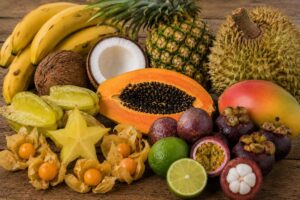
Sri Lanka’s tropical climate supports a wonderful variety of fruits.
Look out for mangoes, pineapples, rambutan, mangosteen, bananas, papaya and wood apple. Some fruits are seasonal, so the selection can vary depending on when you visit.
Local markets and fruit stalls are excellent places to discover unfamiliar flavours. If you try fresh juices or cut fruit, choose places that follow good food-hygiene practices.
10. Experience Sri Lankan Food Like a Local
One of the best ways to understand Sri Lanka is to explore its food beyond hotel restaurants.
Visit a local market, enjoy a meal at a traditional eatery, watch kottu being prepared, or join a cooking class to learn how local ingredients become familiar dishes.
Here are a few tips for enjoying your food journey:
- Tell the cook if you prefer mild food.
- Ask about ingredients if you have allergies or dietary restrictions.
- Carry drinking water and choose hygienic food outlets.
- Try regional specialities rather than ordering the same meal everywhere.
- Respect local customs when dining in homes or religious settings.
From a simple plate of rice and curry to a freshly prepared hopper or roadside kottu, every meal can reveal something about Sri Lanka’s culture and people.
Food Is Part of the Sri Lankan Experience
Sri Lankan food brings together tradition, fresh ingredients, regional influences and bold flavours. Whether you love spicy curries, coconut-based dishes, fresh seafood or sweet tropical desserts, there is something new to discover at every stop.
Don’t just visit Sri Lanka. Taste it, experience it and take the memories of its flavours home with you.
Frequently Asked Questions About Sri Lankan Food
1. What food is Sri Lanka famous for?
Sri Lanka is well known for rice and curry, hoppers, string hoppers, kottu roti, pol sambol, seafood curries and traditional desserts such as watalappam.
2. Is Sri Lankan food very spicy?
Some dishes can be spicy, but many restaurants can prepare milder versions. Let the cook know your preferred spice level when ordering.
3. What is a traditional Sri Lankan breakfast?
Popular options include hoppers, string hoppers, pittu, dhal, coconut sambol and various curries.
4. What Sri Lankan desserts should travellers try?
Watalappam is a popular traditional dessert. Visitors can also enjoy curd with treacle, local sweets and seasonal tropical fruits.
5. Where can tourists experience authentic Sri Lankan food?
Local restaurants, traditional eateries, markets and cooking classes can offer opportunities to experience Sri Lankan food. Choose clean, reputable places and ask about ingredients when necessary.
6. Can YMe Tours help me explore Sri Lankan food and culture?
YMe Tours can help you plan a personalised Sri Lankan itinerary that includes cultural attractions, local experiences, beaches, wildlife and adventure activities. Contact the team to discuss your interests and travel plans.
Experience Sri Lanka with YMe Tours
Make food part of your Sri Lankan holiday with YMe Tours. We can help you plan a personalised journey that combines local food experiences with beautiful beaches, cultural attractions, wildlife safaris, adventure activities and scenic destinations across the island.
Whether you are travelling as a couple, with family or with friends, tell us about your interests and preferred travel style so we can help you plan your Sri Lankan adventure.
Tell us what you need, and we’ll help make your Sri Lankan journey happen.
+94 72 013 4575 | [email protected] | tours.yme.lk