
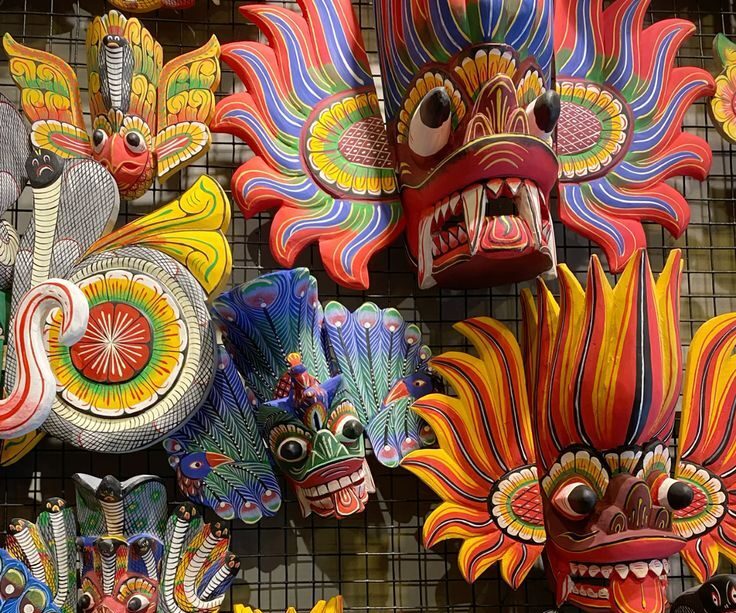
Discover the Fascinating World of Sri Lankan Mask Culture
Sri Lanka is famous for its golden beaches, ancient temples, wildlife and rich cultural traditions. Among its most fascinating cultural treasures is the traditional art of mask making.
Colourful, expressive and deeply connected to local beliefs, Sri Lankan masks represent stories of folklore, healing rituals, folk theatre and traditional performances. Each mask can feature distinctive colours, exaggerated facial expressions and carefully carved details that reflect generations of craftsmanship.
For travellers who want to discover a deeper side of Sri Lanka, learning about its mask culture offers a wonderful opportunity to explore the island’s artistic heritage and traditional way of life.
The History and Cultural Significance of Sri Lankan Masks
Traditional masks have played important roles in several Sri Lankan cultural practices for generations. They have been used in folk performances, storytelling, ritual traditions and community celebrations.
Masks are not simply decorative objects. Depending on their type and context, they may represent mythical beings, characters from folk stories, comic figures, protective spirits or symbolic representations of illness and healing.
Different regions and communities have developed their own traditions, techniques and interpretations. These practices help preserve local knowledge and connect contemporary artisans with their cultural heritage.
1. Raksha Masks: Colourful Creatures of Sri Lankan Folklore
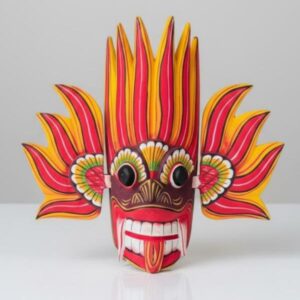 Raksha masks are among the most recognisable forms of Sri Lankan traditional masks. Their dramatic expressions, bright colours, prominent eyes and decorative details make them particularly eye-catching.
In traditional belief and folklore, Raksha figures are associated with powerful supernatural beings. Different masks represent different characters, each with its own appearance and symbolic meaning.
Some Raksha masks are associated with traditional performances and ceremonial displays, while others are created as decorative artworks for visitors and collectors.
Travel tip: When exploring traditional mask collections, ask local artisans about the stories behind each design. Their explanations can reveal cultural details that are not immediately obvious from the mask’s appearance.
2. Sanni Masks: Traditional Rituals and Healing Traditions
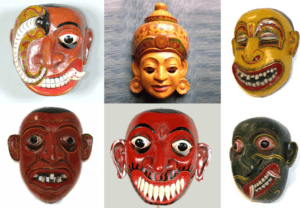 Sanni masks are connected with traditional healing rituals historically associated with the interpretation and treatment of illnesses in Sri Lankan folk beliefs.
These masks often feature striking facial expressions, unusual shapes and symbolic details. Traditionally, they were used in ritual performances in which masked characters represented different forms of illness or affliction.
The associated rituals combine elements of performance, music, dance and traditional belief. They provide an important insight into historical ideas about health, suffering and spiritual well-being.
Today, Sanni masks are also preserved and displayed as examples of the island’s traditional artistic heritage.
3. Kolam Masks: Stories Told Through Performance
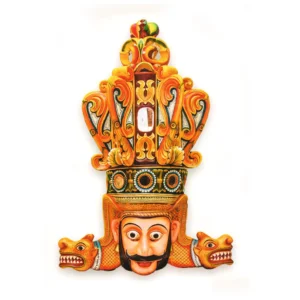 Kolam is a traditional form of Sri Lankan folk theatre particularly associated with the island’s southern coastal region.
Performers wear masks representing a variety of characters, including kings, villagers, animals and comic figures. Through dialogue, movement, music and humour, Kolam performances bring traditional stories to life.
Unlike masks used primarily in ritual contexts, many Kolam masks are designed to communicate a character’s personality to an audience. Their exaggerated expressions help make performances entertaining and visually expressive.
Kolam is an important example of how masks can serve as storytelling tools, preserving cultural narratives while entertaining communities.
4. Ambalangoda: A Centre of Traditional Mask Making
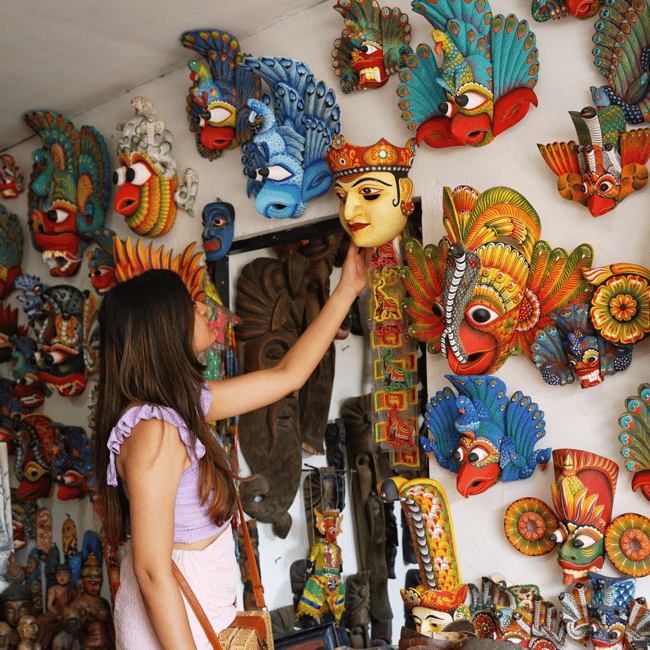
Ambalangoda, a coastal town in Sri Lanka’s Southern Province, is widely associated with traditional mask making and folk performance.
The town is an interesting destination for travellers who want to learn how masks are created and understand the stories behind them.
Traditional artisans may demonstrate techniques such as shaping wood, carving facial features, smoothing surfaces and applying colours and decorative finishes. Craftsmanship varies between makers and mask traditions.
Visitors can explore mask collections, learn about the different styles and, where available, watch demonstrations by local craftspeople.
Why visit Ambalangoda?
- Discover traditional Sri Lankan wood carving.
- Learn about Raksha, Sanni and Kolam masks.
- Appreciate the skill and patience involved in mask making.
- Support local artisans by purchasing authentic handicrafts.
- Explore an important part of Sri Lanka’s southern cultural heritage.
If you are visiting the southern coast, Ambalangoda can be a rewarding addition to a cultural itinerary.
5. How Are Traditional Sri Lankan Masks Made?
Traditional mask making combines practical skills, artistic creativity and cultural knowledge.
Although methods vary, the process can include several stages:
Selecting the wood: Artisans choose suitable wood for carving, traditionally including lightweight varieties.
Shaping the mask: The basic form is created before the artisan carefully carves the facial features and distinctive details.
Smoothing and detailing: The surface is refined, and features such as eyes, teeth, eyebrows and decorative elements are shaped.
Painting: Colours and patterns are applied to bring the mask’s character to life.
Finishing: Additional details and finishing techniques help complete the artwork.
The process requires patience, experience and a detailed understanding of traditional designs. Each mask reflects the maker’s individual skill as well as the cultural style being represented.
6. The Meaning Behind the Colours and Expressions
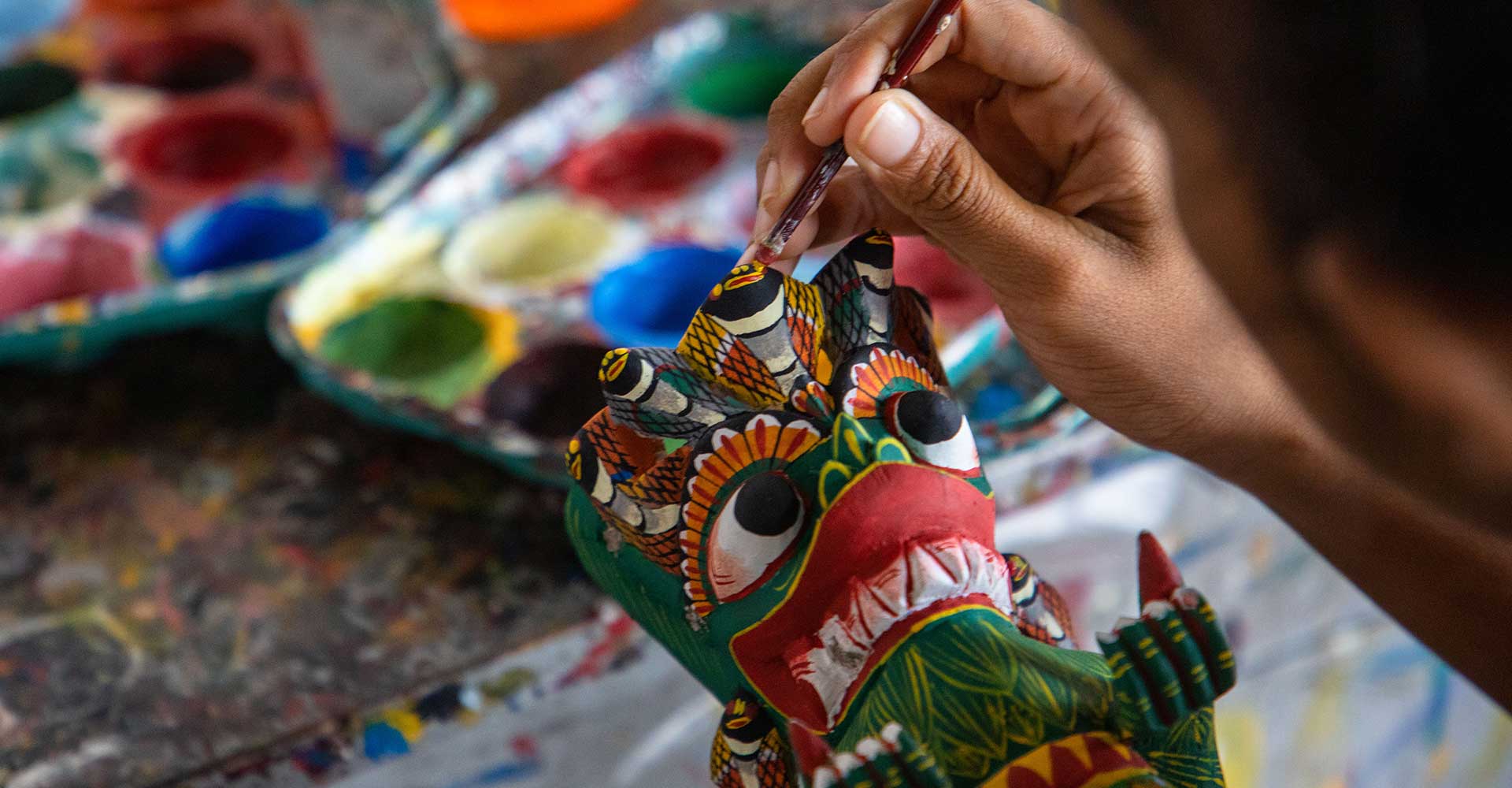
One of the most fascinating features of Sri Lankan masks is their vivid appearance.
Bright reds, greens, yellows, blacks and other colours may be used alongside prominent eyes, elaborate crowns, teeth and other exaggerated features.
The significance of these details depends on the mask tradition and the character represented. Some designs communicate power or fear, while others convey humour, illness, supernatural qualities or distinctive personalities.
Rather than assuming that every colour has one universal meaning, visitors should ask knowledgeable artisans or cultural interpreters about the symbolism of a particular mask.
7. Where Can Travellers Experience Sri Lankan Mask Culture?
Ambalangoda is one of the best-known places to explore Sri Lanka’s mask-making heritage. However, visitors can also discover masks in cultural museums, handicraft shops, traditional art collections and performances in different parts of the island.
When visiting, consider these experiences:
- Observe an artisan’s carving and painting techniques.
- Learn about the differences between Raksha, Sanni and Kolam masks.
- Attend a traditional performance when one is available.
- Purchase a locally made mask directly from a craftsperson.
- Ask permission before photographing artisans or their workshops.
Buying directly from local makers, when possible, can help support traditional craftsmanship and the continuation of these cultural practices.
8. Tips for Buying Authentic Sri Lankan Masks
A traditional mask can be a meaningful souvenir, but it is worth taking time to understand what you are buying.
- Ask the seller about the mask’s name, purpose and cultural background.
- Find out whether it is hand-carved, hand-painted or mass-produced.
- Check the quality of the carving, paintwork and finish.
- Ask about the wood and how to care for it.
- Handle delicate pieces carefully and pack them securely for travel.
- Check any applicable customs requirements before transporting cultural objects internationally.
A well-chosen mask can become more than a decorative item. It can be a reminder of Sri Lanka’s creativity, folklore and living cultural traditions.
Experience Sri Lanka Beyond Its Beaches
Sri Lanka’s mask culture reveals another side of the island: one shaped by storytelling, traditional performance, skilled artisans and generations of cultural knowledge.
From the dramatic expressions of Raksha masks to the characters of Kolam theatre and the ritual significance of Sanni masks, each tradition offers a different perspective on the island’s heritage.
Whether you are interested in history, art, photography or local experiences, exploring traditional mask making can add a memorable cultural dimension to your Sri Lankan holiday.
Frequently Asked Questions About Sri Lankan Mask Culture
1. What is Sri Lankan mask culture?
Sri Lankan mask culture is a traditional art and performance heritage involving carved and painted masks used in folk theatre, ritual practices, storytelling and decorative arts.
2. What are the main types of traditional Sri Lankan masks?
Three well-known categories are Raksha masks, Sanni masks and Kolam masks. They have different associations with folklore, traditional rituals and folk theatre.
3. Where is traditional mask making famous in Sri Lanka?
Ambalangoda, in the Southern Province, is particularly well known for traditional mask making and related cultural practices.
4. What are Sanni masks used for?
Sanni masks are traditionally associated with ritual performances connected to folk beliefs about illness and healing.
5. Can tourists watch Sri Lankan mask making?
Visitors may be able to observe carving and painting demonstrations at artisan workshops and cultural attractions, depending on local availability and the workshop’s arrangements.
6. Can I buy a traditional Sri Lankan mask as a souvenir?
Yes. Masks are available through various craft sellers and workshops. Ask about the design, materials and cultural background before purchasing, and check any relevant customs rules for taking it home.
Discover Sri Lanka with YMe Tours
Make traditional culture part of your Sri Lankan journey with YMe Tours. Explore cultural attractions, discover local crafts, experience beautiful beaches, visit wildlife destinations and enjoy the island’s diverse landscapes.
YMe Tours can help you plan a personalised itinerary based on your travel dates, interests, budget and preferred travel style, with airport pick-up, island-wide transportation, accommodation options and local experiences.
Tell us what you need, and we’ll help you plan your Sri Lankan adventure.
+94 720 134 575 | [email protected] | tours.yme.lk