
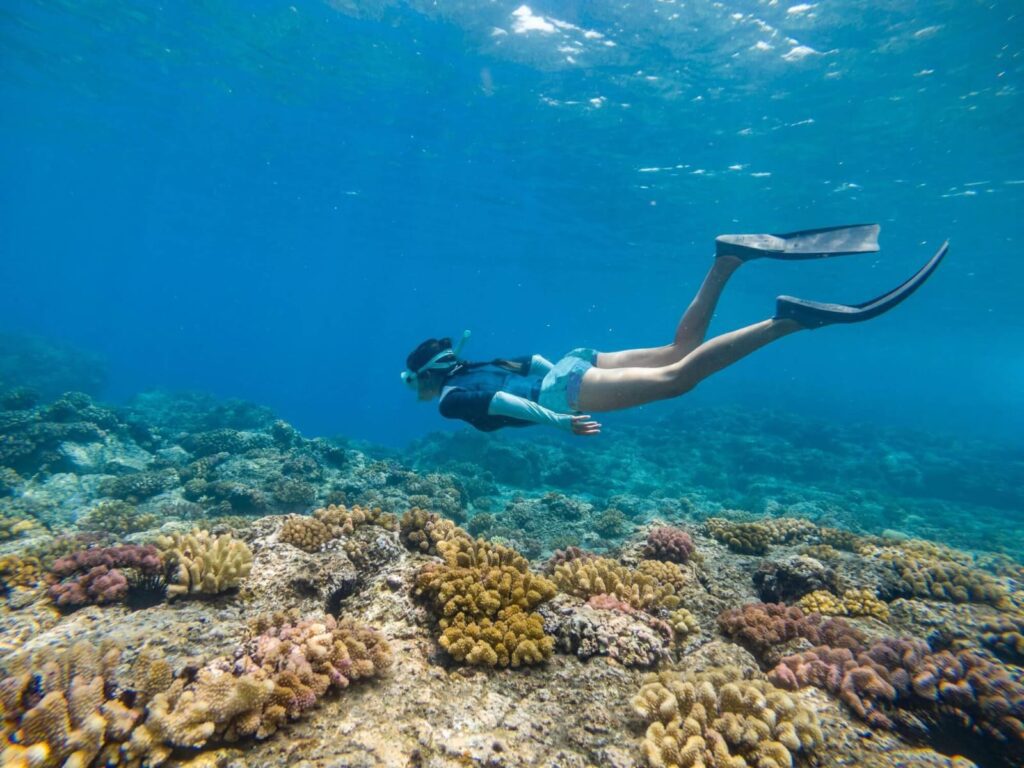
Discover the Underwater Beauty of Sri Lanka
Imagine swimming through warm, clear tropical waters while colourful fish move between coral formations and sunlight illuminates the underwater world. Sri Lanka is famous for its golden beaches, but beneath the surface of the Indian Ocean lies another extraordinary attraction: its coral reefs.
Sri Lanka’s coral reefs support a variety of marine life and provide fascinating experiences for snorkellers, scuba divers, photographers, and nature lovers. From the colourful reefs around Hikkaduwa to the marine environments near Pigeon Island, the island offers several opportunities to discover its underwater ecosystems.
Whether you are an experienced diver or a first-time snorkeller, exploring Sri Lanka’s marine environment can add a memorable experience to your holiday.
1. What Makes Sri Lanka’s Coral Reefs Special?
Coral reefs are living marine ecosystems formed by colonies of tiny animals called coral polyps. They provide food, shelter, and breeding habitats for numerous marine species.
Sri Lanka’s coastal waters include fringing reefs, patch reefs, and other coral habitats. Depending on the location, visitors may encounter colourful reef fish, sea urchins, sea cucumbers, molluscs, and other marine organisms.Healthy reefs also contribute to coastal protection and support fisheries and tourism. However, coral ecosystems face threats from warming seas, pollution, destructive fishing practices, and physical damage.
Responsible tourism helps reduce pressure on these delicate environments and supports greater awareness of marine conservation.
2. Best Places to Explore Coral Reefs in Sri Lanka
Hikkaduwa: A Popular Coral Reef Destination
Hikkaduwa, on Sri Lanka’s southwestern coast, is one of the island’s well-known destinations for snorkelling and diving.
The surrounding marine environment includes coral formations and a variety of tropical fish. Visitors can enquire about guided snorkelling trips and diving experiences with reputable local operators.
Hikkaduwa can be a convenient addition to a coastal holiday that includes beaches, restaurants, and other attractions along the southern and western coastline.
Best for: Travellers looking for a combination of beach relaxation, snorkelling, and diving opportunities.
Pigeon Island National Park: Explore Marine Biodiversity
Located near Nilaveli on the eastern coast, Pigeon Island National Park is recognised for its coral reef environment and marine biodiversity.
Depending on sea conditions and visibility, visitors may have opportunities to observe reef fish and other marine life while snorkelling in permitted areas.
The park is a protected area, so visitors should follow conservation regulations, use authorised services where required, and avoid touching or standing on coral.
Best for: Nature lovers and snorkellers interested in exploring a protected marine environment.
Unawatuna: Coastal Adventures and Diving
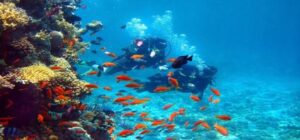
Unawatuna, near Galle, is a popular coastal destination offering beach experiences and access to local diving activities.
Depending on conditions and the chosen dive site, visitors may explore underwater rock formations, marine habitats, and selected reef environments with qualified dive operators.Unawatuna can also be combined with visits to Galle Fort and other attractions in Sri Lanka’s southern coastal region.
Best for: Travellers who want to combine ocean activities with coastal sightseeing and cultural experiences.
Trincomalee and Nilaveli: Eastern Coast Marine Experiences
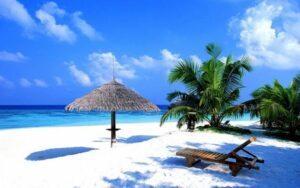
The Trincomalee region offers beautiful beaches and access to marine activities along Sri Lanka’s eastern coast.
Nilaveli is a particularly useful base for exploring Pigeon Island National Park. The wider area is also known for its coastal scenery and opportunities for boat excursions.Sea conditions and seasonal weather affect underwater visibility and the availability of activities, so check local conditions before booking.
Best for: Visitors planning an eastern-coast holiday with snorkelling, beach relaxation, and marine exploration.
Mirissa: Marine Wildlife and Ocean Excursions
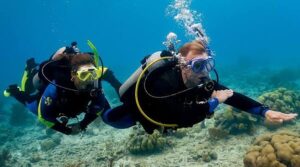
Mirissa is widely associated with ocean excursions and marine wildlife experiences. Visitors may find diving opportunities through local operators, although the suitability of specific sites depends on the season and conditions.
Remember that coral reef exploration and whale watching are different activities. Choose responsible operators for each experience, and avoid trips that chase or disturb marine animals.
Best for: Travellers interested in combining coastal relaxation with marine activities.
3. Snorkelling or Scuba Diving: Which Should You Choose?
Sri Lanka offers different ways to explore its underwater environments, depending on your confidence in the water and level of experience.
Snorkelling
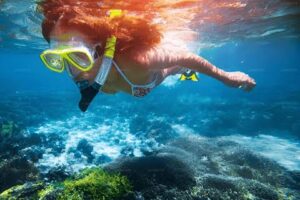
Snorkelling allows you to observe marine life from the water’s surface using a mask and snorkel. It can be a suitable introduction for beginners when conducted in calm, permitted areas with appropriate supervision.
Scuba diving
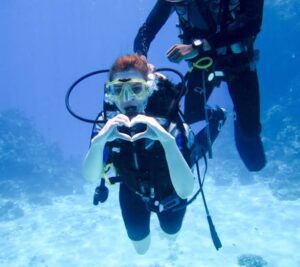
Scuba diving allows qualified participants to explore underwater environments at greater depths using specialised equipment. Beginners can ask recognised dive centres about introductory experiences and applicable training and safety requirements.
Before choosing either activity, consider your swimming ability, health, comfort in the water, and the conditions at the site. Always follow the operator’s safety advice.
4. Best Time to Explore Coral Reefs in Sri Lanka
Sri Lanka has two main monsoon patterns that influence conditions along different parts of the coastline.
- South and west coasts: November to April is generally the more favourable period for many beach and underwater activities.
- East coast: Approximately May to September often provides more favourable conditions for destinations such as Nilaveli and Trincomalee.
These are general seasonal patterns rather than guarantees. Weather, currents, waves, and underwater visibility can change from day to day.
Check local marine forecasts and confirm that your selected activity is operating safely before heading out.
5. Responsible Coral Reef Tourism: Protect the Underwater World
Coral reefs are fragile ecosystems, and even seemingly small disturbances can cause damage. Visitors can help protect these habitats by following a few simple practices.
- Never stand on coral: Coral can be damaged by direct contact, even in shallow water.
- Avoid touching marine animals: Observe fish, turtles, and other wildlife without chasing or handling them.
- Use reef-conscious sun protection: Choose suitable products and follow local guidance to reduce environmental impact.
- Do not collect coral or shells from protected areas: Respect conservation rules and leave natural habitats undisturbed.
- Choose responsible operators: Look for providers who explain marine safety and environmental protection.
- Reduce plastic waste: Carry reusable water bottles and dispose of rubbish responsibly.
- Follow protected-area regulations: Check entrance requirements, permitted activities, and any applicable fees before visiting a marine national park.
Responsible behaviour helps preserve Sri Lanka’s underwater ecosystems for future generations.
6. What to Pack for a Coral Reef Adventure
Prepare for your marine adventure with the following essentials:
- Swimwear and a towel.
- Reef-safe or environmentally considerate sun protection.
- Drinking water in a reusable bottle.
- A waterproof bag for personal belongings.
- A mask, snorkel, and fins if you have your own suitable equipment.
- A rash guard or other sun-protective swimwear.
- Any personal medication you may need.
If you are joining an organised activity, confirm which equipment is provided and follow the operator’s instructions.
Frequently Asked Questions About Sri Lanka’s Coral Reefs
Where are the best places to see coral reefs in Sri Lanka?
Hikkaduwa and Pigeon Island National Park near Nilaveli are well-known places to explore coral reef environments. Other coastal destinations may offer diving or marine activities depending on local conditions.
Can beginners explore coral reefs in Sri Lanka?
Yes. Beginners may be able to join supervised snorkelling trips or introductory diving experiences, depending on their abilities, health, and the conditions at the chosen location.
When is the best time to go snorkelling in Sri Lanka?
November to April is generally favourable for many southern and western coastal destinations, while May to September is often more suitable for the eastern coast. Local conditions should always be checked.
Can I see turtles near Sri Lanka’s coral reefs?
Sea turtles inhabit Sri Lankan coastal waters, and sightings may occur at some marine locations. However, encounters are never guaranteed. Observe wildlife responsibly and never touch or chase turtles.
Do I need to book a coral reef tour in advance?
Booking ahead can be helpful during busy travel periods, especially for guided diving and excursions to protected marine areas. Confirm current availability, prices, equipment, and safety requirements with the operator.
Explore Sri Lanka’s Underwater Wonders with YMe Tours
Sri Lanka’s coral reefs reveal a fascinating side of the island beyond its beaches and mountains. From Hikkaduwa’s coastal marine environment to the protected waters around Pigeon Island National Park, these underwater ecosystems offer opportunities to discover tropical marine life and appreciate the importance of ocean conservation.
Whether you want to try snorkelling for the first time, plan a scuba diving experience, or include marine adventures in a longer island-wide holiday, Sri Lanka has coastal destinations worth exploring.
Travel with YMe Tours to plan your Sri Lankan adventure around your interests. YMe Tours offers airport pick-up, island-wide tours, three- and four-star hotel accommodation, adventure activities, safari experiences, and personalised travel planning, with 24-hour support.
Let us help you organise a memorable coastal holiday that combines beaches, marine adventures, nature, and cultural experiences.
Contact YMe Tours
+94 72 013 4575 | [email protected] | tours.yme.lk
Tell us what you need, and we’ll help you plan your Sri Lankan adventure.